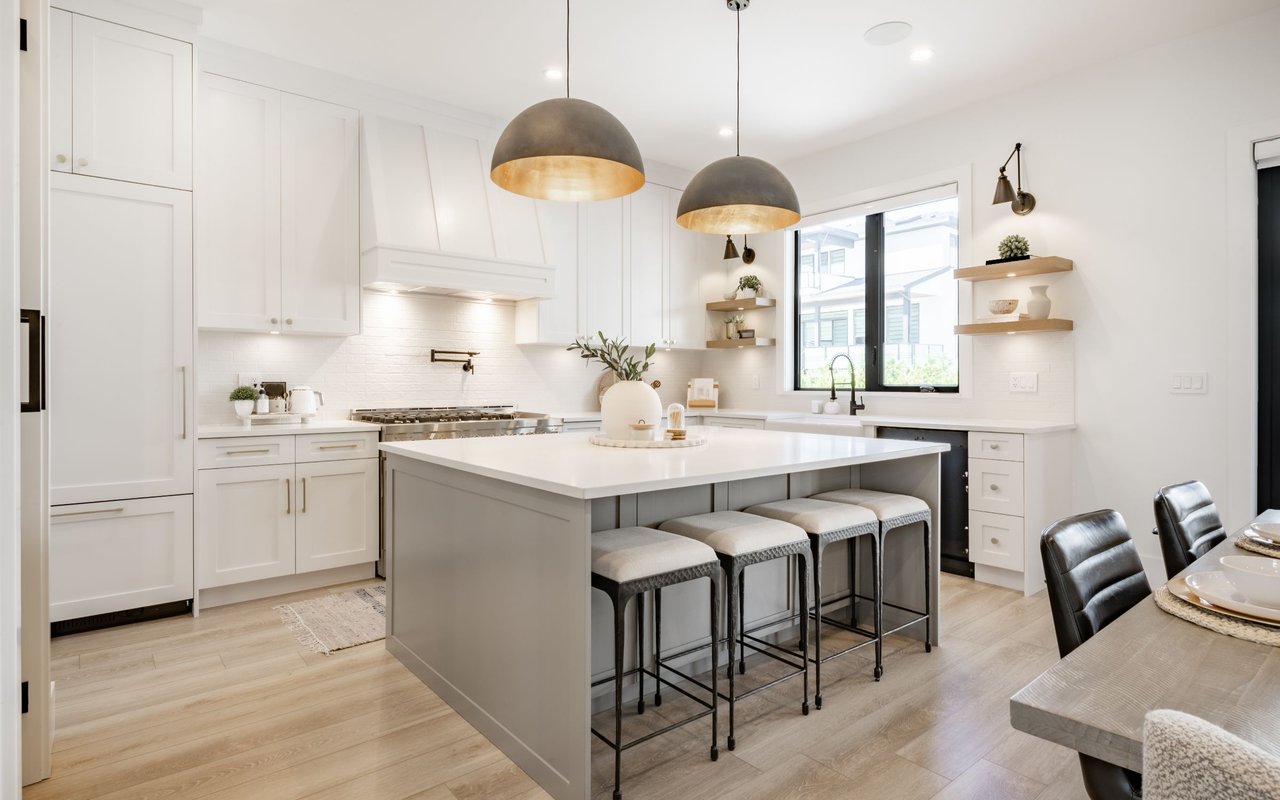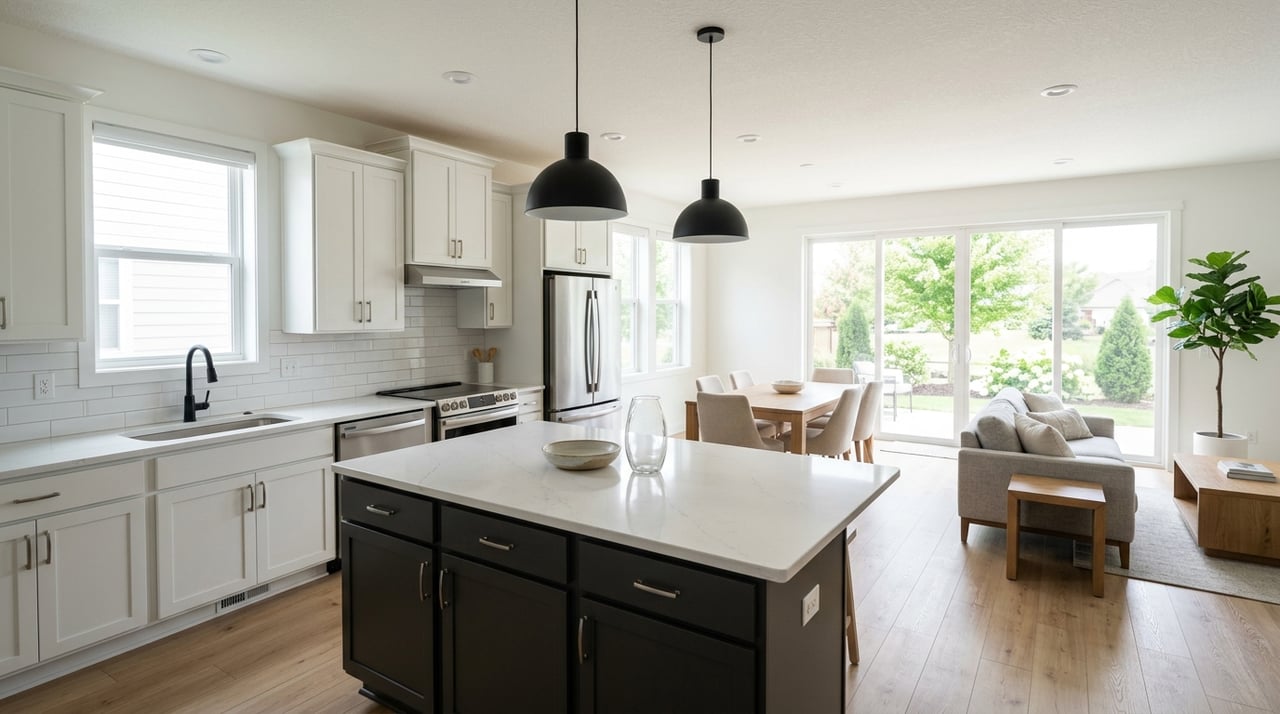
If you are selling a home in Woolwich Township, great marketing is not just about getting your listing online. It is about making buyers stop, click, and want to see more. In a market where presentation matters and many buyers start their search on a screen, a design-forward approach can help your home stand out, generate stronger early interest, and create a smoother selling experience. Let’s dive in.
Why presentation matters in Woolwich Township
Woolwich Township is a largely owner-occupied community in Gloucester County with a 2024 population estimate of 14,658, 4,180 households, and an 80.6% owner-occupied housing rate. The township also describes itself as a 21-square-mile community about 20 miles from Philadelphia, which helps explain its appeal for buyers looking at South Jersey suburbs with commuter access.
For sellers, the local market backdrop matters. Realtor.com classified Woolwich as a seller’s market in December 2025, with 38 homes for sale, a median listing price of $585,000, median days on market of 62, and a sale-to-list ratio of 100%. In that kind of environment, your launch strategy still matters because buyers compare homes quickly, especially during the first few days a listing is live.
What design-forward marketing means
Design-forward marketing is not about making your home look trendy or overdone. It is about presenting the property clearly, cleanly, and professionally so buyers can understand the layout, picture daily life there, and feel confident scheduling a showing.
That usually includes a thoughtful mix of:
- decluttering and repairs
- strategic staging
- professional photography
- video content
- virtual tours
- floor plan or layout-focused visuals when available
For Woolwich sellers, this approach makes sense in a digital-first environment. Census data shows high computer and broadband access in local households, which supports the idea that many buyers will first experience your home online before they ever step inside.
Buyers notice visuals first
Online listing presentation plays a major role in whether buyers engage with a home. According to NAR coverage on online listing visibility, 52% of buyers found the home they purchased online, and 81% rated listing photos as the most useful feature during their search.
That means your photos are not a small detail. They are often the first impression, and the first image can influence whether a buyer clicks into the listing or keeps scrolling. NAR also notes that views, saves, and shares in the first days after launch can affect visibility, which is one reason strong presentation from day one matters.
Staging helps buyers picture the home
Staging is one of the clearest examples of design-forward marketing because it helps buyers focus on the home itself rather than distractions. NAR defines staging as cleaning, decluttering, repairing, depersonalizing, and updating a home so buyers can picture themselves in the space.
That point matters because buyers are often trying to make quick decisions from a mix of photos, short videos, and showing appointments. In NAR’s 2025 Profile of Home Staging, 83% of buyers’ agents said staging made it easier for a buyer to visualize the property as a future home. The same report found 60% said staging affected some buyers, while 26% said it affected most buyers.
Focus on the most important rooms
You do not always need to stage every room to make a strong impression. NAR’s research supports prioritizing the spaces buyers tend to notice most.
According to the same 2025 staging report, buyers’ agents ranked these rooms as the most important to stage:
- living room
- primary bedroom
- kitchen
The most commonly staged rooms were the living room, primary bedroom, and dining room. If your time or budget is limited, starting with those areas can make the biggest difference in how the home reads both online and in person.
Decluttering still goes a long way
If full staging is not practical, that does not mean you are out of options. The same NAR report found that 51% of sellers’ agents did not stage homes before listing but did advise sellers to declutter or fix obvious property issues.
That is often the right middle ground. Removing extra furniture, clearing counters, touching up paint, and addressing visible maintenance items can make your home feel more spacious, better cared for, and easier for buyers to understand.
Design-forward does not mean overpromising
A polished listing can help attract attention and encourage showings, but it is important to keep expectations realistic. Design-forward marketing should be framed as a way to improve clarity, buyer engagement, and launch-week momentum, not as a guarantee of a higher sale price.
That distinction matters because NAR’s 2025 staging survey found mixed opinions about direct price impact. In that survey, 41% of buyers’ agents said staging had no impact on the dollar value offered, while 17% said it increased offers by 1% to 5%.
For most sellers in Woolwich Township, the better question is not “Will this guarantee more money?” It is “Will this help more buyers understand the home, remember it, and decide to tour it?” The research suggests the answer is often yes.
Why photography and video matter
Professional visuals are a core part of listing strategy today. Since buyers rate photos as the most useful online feature, your image set needs to do more than document rooms. It should show flow, light, scale, and condition in a way that feels accurate and inviting.
Video adds another layer. It can help buyers understand how the home lives from one room to the next, which is especially useful for out-of-area buyers, busy local shoppers, and anyone narrowing down a shortlist before booking tours.
Virtual tours support, not replace, showings
Some sellers wonder whether virtual tours are only useful for luxury homes or remote buyers. In reality, they are valuable because they help buyers screen homes more efficiently before requesting an in-person visit.
NAR’s virtual tour guidance explains that virtual tours help buyers understand layout and assess whether a home fits their needs. It also notes that floor plans are the most requested visual asset after listing photos. At the same time, NAR’s 2025 staging report found buyers expected a median of 8 in-person homes and 20 virtual homes before buying, which shows virtual content works best as a filter, not a substitute for seeing the property in person.
A smart launch matters
In Woolwich Township, the first week on market deserves real attention. When a listing is presented well from the start, it has a better chance to earn clicks, saves, and shares while buyer interest is fresh.
That is one reason design-forward marketing should be part of the plan before the listing goes live, not something added later. Cleaning up the visuals after launch can mean missing the period when your home is most likely to attract immediate attention online.
What sellers should expect from the process
If you are thinking about selling in Woolwich Township, a design-forward plan should feel practical and organized. It should help you make smart decisions about where to spend effort, what buyers will notice first, and how to present the home honestly and effectively.
A solid seller process often includes:
- a walkthrough to identify high-impact updates
- a plan for decluttering, repairs, and staging priorities
- professional photos and video captured after prep is complete
- virtual tour assets that help buyers understand layout
- a coordinated launch designed to maximize early visibility
This kind of approach aligns with what sellers say they want most. In NAR’s 2025 Profile of Home Buyers and Sellers highlights, sellers prioritized help marketing the home to potential buyers, pricing it competitively, and selling within a specific timeframe.
Why this approach fits Woolwich sellers
Design-forward marketing is not just for high-end listings. In a community like Woolwich Township, where many buyers are likely reviewing homes online before deciding what to tour, clear and polished presentation can support better engagement across a wide range of price points.
It is also a natural fit for sellers who want a more hands-on, less stressful process. When your listing strategy includes thoughtful prep, strong visuals, and organized coordination, you are not guessing what might help. You are using proven buyer behavior and local market context to present your home at its best.
If you are preparing to sell in Woolwich Township and want a thoughtful plan for pricing, presentation, and launch, Haley De Stefano can help you map out the right next steps with a local, design-aware strategy.
FAQs
Do I need full staging to sell a home in Woolwich Township?
- No. Research supports focusing first on high-impact spaces like the living room, primary bedroom, and kitchen, then using decluttering and repairs if full staging is not practical.
Do virtual tours replace in-person showings for Woolwich Township homes?
- No. Virtual tours help buyers understand layout and decide whether to visit, but buyers still expect to tour homes in person before making a purchase.
Is design-forward marketing only for luxury homes in Woolwich Township?
- No. This approach is useful for many listings because it improves presentation, helps buyers engage online, and supports stronger showing activity.
Why are listing photos so important when selling a home in Woolwich Township?
- NAR reports that 81% of buyers rate listing photos as the most useful online feature, so strong photography can influence whether buyers click into your listing and schedule a tour.
What matters most in the first week of a Woolwich Township listing?
- Early presentation matters because views, saves, and shares soon after launch can affect visibility, making preparation before going live especially important.