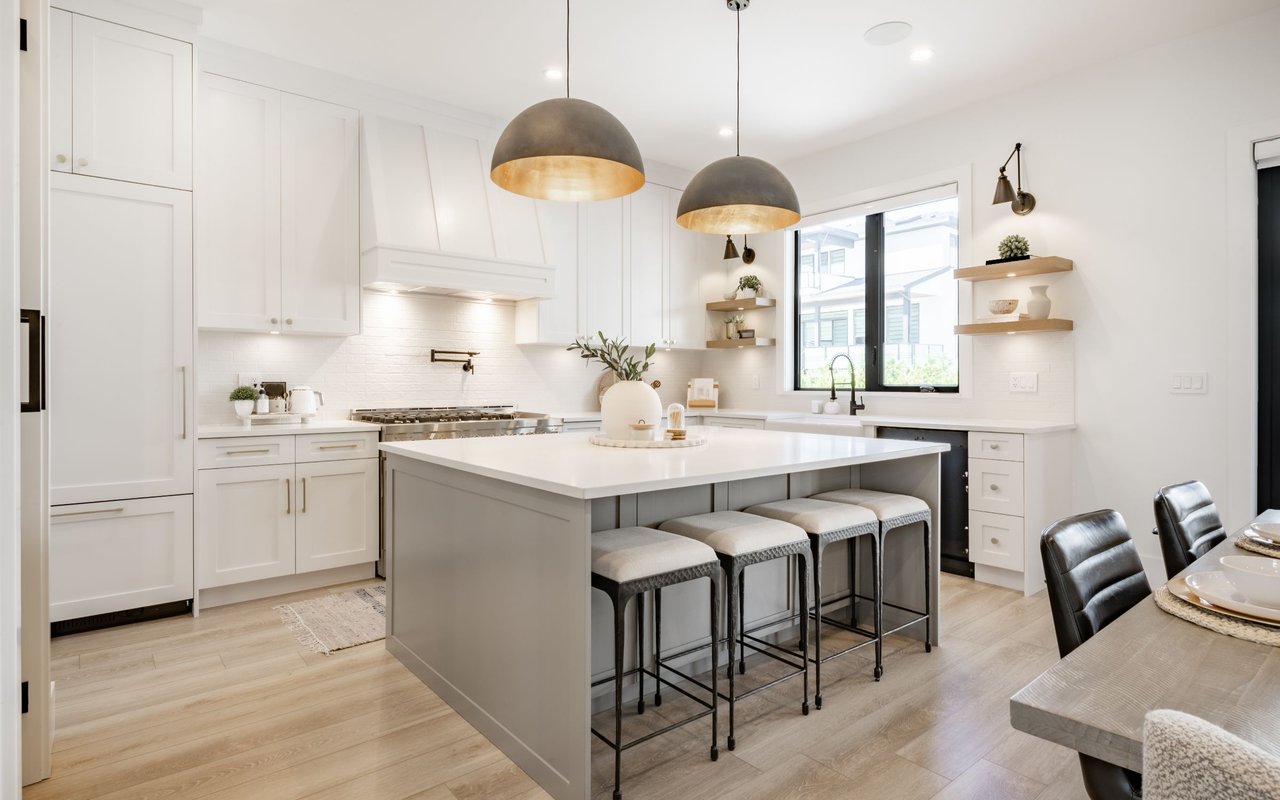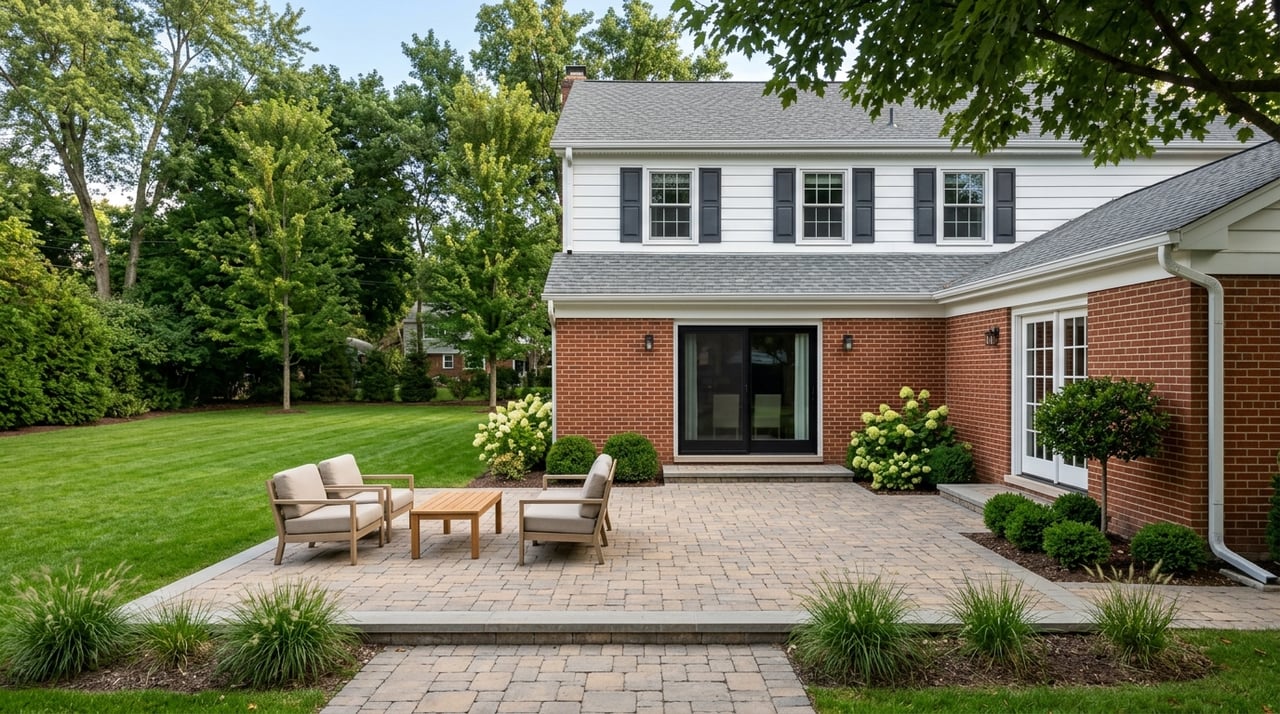
Wondering which part of Woolwich Township fits your next chapter best? If you are moving up from your first home, you are probably balancing more space, a better layout, commute needs, and the timing of selling and buying at the same time. This guide breaks down Woolwich Township’s main neighborhood patterns, everyday logistics, and move-up planning points so you can compare your options with more confidence. Let’s dive in.
Why Woolwich Township Appeals
Woolwich Township offers a mix that many move-up buyers want: suburban growth, regional access, and open-space character. Official township information describes preserved farmland, planned growth centers, and a park-and-trail network, which helps explain why the area feels different from more built-out suburbs.
The numbers also give useful context. Census QuickFacts lists a 2024 population estimate of 14,658, an owner-occupied housing rate of 80.6%, a median owner-occupied home value of $456,000, a median household income of $157,778, and a mean travel time to work of 29.1 minutes.
For many buyers, Woolwich is attractive because it can support a move-up lifestyle without losing day-to-day convenience. You can find areas with a more planned suburban feel, places with mixed-use connections, and lower-density sections with more open surroundings.
Neighborhood Patterns in Woolwich
Woolwich Township is not one single housing experience. Its planning documents point to several distinct patterns, and that matters when you are deciding what kind of move-up home will support your daily routine.
Weatherby and Town Center
The township master plan describes the Weatherby Redevelopment Area as about 84.5 acres within a planned unit development setting with a mix of dwelling types and community-level non-residential uses. In plain terms, that makes Weatherby one of the areas most closely tied to a planned suburban neighborhood pattern.
If you are moving up and want a home in a more organized community setting, Weatherby may stand out. Compared with Woolwich’s rural-edge areas, this part of the township has a stronger connection to nearby services based on the land-use framework in the township’s planning documents.
Kings Landing and Route 322
Woolwich describes Kings Landing at Woolwich as one of only twenty state-designated Smart Growth Centers in New Jersey. Township materials say it is intended to be a walkable town center that coexists with open space and civic places.
The planning and zoning framework here supports a conversation about access, convenience, and newer mixed-use patterns. If you want your move-up home to be near a more connected corridor, this is one of the most relevant areas to watch.
The circulation plan also describes pedestrian-friendly, traffic-calmed, and multimodal circulation in this area. For buyers thinking beyond square footage, that kind of design can shape how easy it feels to move through everyday errands and activities.
Auburn Road Village
The circulation plan identifies Auburn Road Village as a 127-acre receiving area that permits residential, commercial, and mixed-use development. The township master plan also connects this area to trail and pedestrian links.
For a move-up buyer, Auburn Road Village can be thought of as a village-style district with a mixed-use feel. If you like the idea of a neighborhood that may blend housing and everyday convenience more than a traditional standalone subdivision, this area deserves a closer look.
Rural-Edge and Lower-Density Areas
Woolwich also has a very different side. Official township materials say more than 3,000 acres of farmland and open space have been preserved, and planning documents note that much of the township’s growth has expanded into former agricultural and rural landscapes.
The master plan says several residential districts, including R-1, R-2, R-3, and 5A, are limited to single-family detached dwellings. The zoning framework also supports a larger-lot and more open-space-oriented way of living in some sections of the township.
If your move-up goal is more yard space, more separation between homes, or a less concentrated setting, these lower-density areas may line up better with your priorities. They offer a different lifestyle tradeoff than the mixed-use and planned-center parts of Woolwich.
How to Match Area to Lifestyle
A move-up purchase usually is not just about getting a bigger house. It is about finding a better fit for the way you actually live now.
Here is a simple way to think about Woolwich’s neighborhood patterns:
- If you want a planned suburban setting, Weatherby may be a strong fit.
- If you want convenience and corridor access, Kings Landing and the Route 322 area may be worth focusing on.
- If you want a village-style mixed-use feel, Auburn Road Village is one of the clearest examples in township planning.
- If you want more open surroundings, the lower-density and rural-edge sections may suit you better.
As you compare homes, think about what matters most in your next stage. You may care most about layout and yard size, or you may be prioritizing commute routes, trail access, and how connected the area feels.
Everyday Logistics to Consider
Move-up buyers often make better decisions when they look beyond the house itself. In Woolwich Township, a few practical details can shape your experience in a big way.
Commute and Regional Access
The township sits between the New Jersey Turnpike and I-295. The circulation plan says US 322 crosses the Turnpike, I-295, and I-95 within 12 miles, and township quick facts note that the New Jersey Turnpike and I-295 are less than 2 miles away.
Woolwich quick facts also list Philadelphia International Airport at 17 miles, Wilmington at 19 miles, and Philadelphia at 23 miles. For buyers who need regional access for work or travel, those distances are an important part of the value equation.
Parks and Trails
Township materials describe an expansive municipal park system with athletic fields and an on-road and off-road trail network. That can matter if your next home search includes outdoor space beyond your own lot.
These public amenities can also help you compare one part of town to another. Some buyers want a more traditional subdivision setting, while others care more about being tied into trails, parks, and civic spaces.
School District Context
For school district research, Woolwich families are directed to the Swedesboro-Woolwich School District and the Kingsway Regional School District. The Swedesboro-Woolwich district lists four schools, and Kingsway’s website shows middle school and high school sections, along with a district office on Kings Highway in Woolwich Township.
If schools are part of your decision, it helps to confirm attendance details directly and compare commute patterns from each home you are considering. That keeps your search grounded in the practical side of daily life.
Planning the Move-Up Timeline
For many households, the hardest part of moving up is not choosing the neighborhood. It is coordinating the sale of your current home with the purchase of your next one.
Consumer guidance in the research report notes that if you want to move, you normally try to sell your current home first before buying another one. That is often the cleanest path because it gives you a clearer picture of your available funds before you commit to the next purchase.
A smart starting point is to pair your preapproval with a detailed selling plan. If you know what your current home may bring to the market and how fast it may move, you can search in Woolwich with a more realistic budget and timeline.
Budget Beyond the Mortgage
When you move up, monthly cost is about more than principal and interest. The research report notes that housing costs should also include property taxes, insurance, maintenance, utilities, and HOA fees when they apply.
Closing costs matter too. The research report says closing costs typically run about 2% to 5% of the purchase price, so it is wise to build that into your planning early.
Decide Early on Contingencies
If you need proceeds from your current home to close on the next one, a home sale contingency may be appropriate according to the research report. The key is deciding that early, not after you are already emotionally committed to a home.
If you are exploring bridge or swing financing, the research report notes that lenders may document your ability to carry the current home, the new home, and the bridge loan payment. That is why early lender conversations are especially important for move-up buyers.
Leave Room in the Contract Timeline
The two-transaction puzzle usually works best when you leave enough flexibility in the contract timeline. The research report specifically supports pairing preapproval with a clear selling plan, deciding early whether a contingency is needed, and allowing enough time for the sale and purchase to line up.
That kind of planning can reduce stress and help you make stronger decisions. It also gives you more room to react if one side of the transaction moves faster than the other.
A Simple Woolwich Move-Up Checklist
Before you narrow your search, use this checklist to keep your priorities clear:
- Define what “move-up” means for you: more space, different layout, larger lot, or better commute flow.
- Compare Woolwich neighborhood patterns, not just listing photos.
- Review your full monthly budget, including taxes, insurance, maintenance, utilities, and any HOA fees.
- Estimate closing costs as part of your cash planning.
- Talk with a lender about whether you need your current home sold before buying.
- Build a selling strategy before you shop too far ahead.
- Visit areas at different times to understand traffic flow and day-to-day feel.
- Check proximity to highways, parks, trails, and the places you use most often.
Final Thoughts on Choosing the Right Area
Woolwich Township gives move-up buyers more than one path. You may be drawn to the planned suburban feel of Weatherby, the connected access of Kings Landing, the mixed-use village character of Auburn Road Village, or the space and openness of the township’s lower-density areas.
The best choice depends on how you want your next home to function every day. When you match neighborhood pattern, commute needs, budget, and sale timing, you give yourself a much better chance of making a move that feels right both now and later.
If you are comparing neighborhoods in Woolwich Township or trying to line up a sale and purchase at the same time, Haley De Stefano can help you build a clear plan and move forward with confidence.
FAQs
What are the main neighborhood types in Woolwich Township for move-up buyers?
- Woolwich Township generally includes planned suburban areas like Weatherby, mixed-use and corridor-oriented areas like Kings Landing and Auburn Road Village, and lower-density rural-edge sections with more open-space character.
What makes Kings Landing in Woolwich Township different from other areas?
- Township materials describe Kings Landing as a state-designated Smart Growth Center intended to be a walkable town center with pedestrian-friendly, traffic-calmed, and multimodal circulation.
What should move-up buyers know about commuting from Woolwich Township?
- Woolwich sits near the New Jersey Turnpike and I-295, US 322 connects to major regional routes, and township quick facts list Philadelphia International Airport, Wilmington, and Philadelphia within practical driving distance.
What school districts serve homes in Woolwich Township?
- Woolwich families are directed to the Swedesboro-Woolwich School District and the Kingsway Regional School District, so buyers should confirm attendance details for any specific address they are considering.
Should you sell your current home before buying in Woolwich Township?
- The research report indicates that buyers normally try to sell their current home first before buying another one, especially when sale proceeds are needed for the next purchase.
What extra costs should move-up buyers budget for in Woolwich Township?
- In addition to the mortgage, buyers should plan for property taxes, insurance, maintenance, utilities, any HOA fees that apply, and closing costs that typically range from 2% to 5% of the purchase price.